
Design and installation guide
ANSUL NFF-3H: 3% non-fluorinated foam for hydrocarbons
ANSUL NFF-3H is a synthetic non-fluorinated model used at 3% for Class B hydrocarbon fires. Gasoline, diesel and suitable aviation fuels are assessed within product and hardware scope. Its application focus is low-expansion hydrocarbon protection.
This hydrocarbon-focused product and AR-SFFF models covering polar solvents are different selections. Water-miscible solvents require an appropriate alcohol-resistant product. HI-EX enclosure protection uses a separately selected concentrate and generator arrangement.
01
How does the foam form and provide protection?
Concentrate chemistry, proportioning with water and application method together determine foam behaviour.
Low-expansion blanket
Suitable outlets generate foam from correctly proportioned solution. The blanket helps limit vapour release at the fuel surface. Expansion varies with aspiration and flow conditions.
Cooling and blanket stability
Water contributes cooling, while blanket continuity supports burnback resistance. Fuel temperature, application density and duration inform design. Extinguishing time cannot be specified without application conditions.
Controlled proportioning
Flow behaviour is matched to suction piping, pumps and proportioner range. Concentration is checked at minimum flow and temperature. A 3% setting does not establish direct interchangeability with existing AFFF hardware.
02
Selection, hardware and product condition
Combustible material, product documentation and installed hardware are assessed together for appropriate selection.
Fuel and concentration
- Hydrocarbon fuel scope
- Nominal concentration is 3%; the model is not selected for polar solvents or water-miscible fuels. The manufacturer addresses fresh, brackish and salt water. Actual fuel and application are matched to the documented scope.
- Tests and approvals
- The sheet identifies UL 162, EN 1568 Parts 1 and 3, ICAO Level B and GreenScreen Silver. Each addresses a different assessment. UL combinations and aviation performance do not form one universal approval for every site application.
Proportioning and discharge equipment
- Match the discharge device
- Suitable sprinklers, branchpipes/nozzles or chambers follow documented arrangements. Aspirating and non-aspirating devices can produce different foam. Delivered flow, density and reach are checked for the protected surface.
- Verification during agent replacement
- Piping, proportioners and tank materials are reviewed for the new product. Legacy residues are managed through cleaning and any necessary equipment changes. Actual proportioning is verified before return to service.
Storage, documentation and environment
- Storage and operating conditions
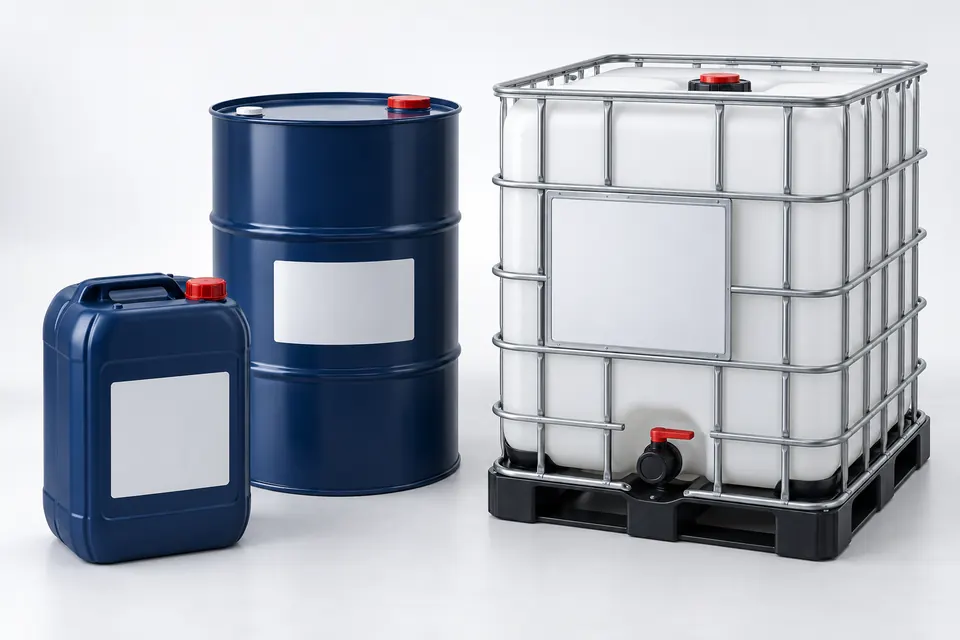
- Manufacturer range is 2–49 °C, distinguished from freeze point. Original packaging or suitable system equipment is used. Mixing with other types or manufacturers is prohibited, with inspection and sampling under the maintenance programme.
- Nature of the environmental statement
- The manufacturer states no intentionally added PFAS. The sheet uses an inherent biodegradability classification following OECD 301F. This does not claim complete, harmless breakdown in every condition. SDS and management of foam and contaminated water are considered together.
03
Applications and selection approach
The actual fuel, site conditions and validated scope of the selected model govern the following applications.
Petroleum and fuel areas
- Application need
- Suitable hydrocarbon surfaces or spills are present.
- Selection approach
- The 3% model and discharge arrangement are matched to fuel.
Aviation fuels
- Application need
- Aviation performance and response equipment are considered together.
- Selection approach
- ICAO Level B scope and project hardware/application conditions are checked.
Fixed sprinkler or foam systems
- Application need
- Approved combinations and hydraulic distribution are required.
- Selection approach
- Device models, proportioning and fuel scope are verified together.
04
Checks considered together for this product
Scroll the table horizontally to view every column.
| Item | Product approach | Verification |
|---|---|---|
| Fuel | Class B hydrocarbons; nominal 3%. | Separate AR product for polar solvents. |
| Expansion | Low-expansion application. | Selected device and flow conditions. |
| Documentation | UL 162, EN 1568 Parts 1 and 3, ICAO Level B scopes. | Fuel, hardware and application conditions. |
| Environment | OECD 301F: inherent biodegradability. | SDS and controlled after-use management. |
A family description does not certify identical performance across manufacturers. Model values and approved application conditions are matched to current product data and the relevant documentation.
Share the combustible material, water supply and existing equipment so we can assess a suitable concentrate and application arrangement together.