
Skip to content

Service and periodic maintenance

Support fire-protection reliability through planned inspections, performance verification and recorded corrective actions.

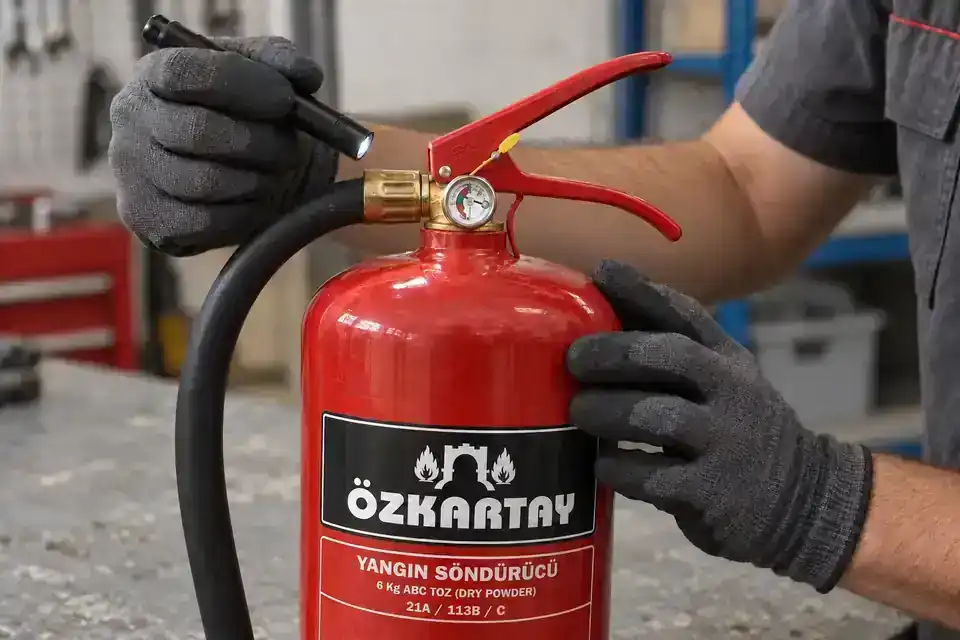
On-site maintenance and inspection of fire-protection equipment
Measurements and close-out records make maintenance traceable.

Service, periodic maintenance and system continuity

Protection continuity starts with planned maintenance.

Keeping fire-protection systems operational requires more than responding to faults. Özkartay assesses mechanical and electronic components, identifies testing needs and turns open items into a trackable maintenance programme. The programme follows equipment instructions and the standards applicable to the facility.

01

How is the maintenance programme delivered?

Use consistent equipment and system records from inventory through corrective-action close-out.

  1. Inventory and previous records

    List pumps, sprinklers, hose cabinets, alarm panels and other equipment within scope. Review previous tests, faults, changes and missing documentation.

  2. Intervals and site planning

    Set inspection, testing and maintenance intervals by equipment type, manufacturer instructions and the adopted standard. Coordinate access, production schedules and temporary impairment conditions with the facility.

  3. Inspections and measurements

    Check valve condition, leaks, pump performance, alarm functions and detection components within scope. Record the test method, measurement point and result.

  4. Prioritise findings

    Assess faults and deficiencies by their effect on protection. Distinguish urgent work, planned corrections and monitoring items, assigning an owner and target date.

  5. Correction and re-verification

    Carry out approved maintenance or replacements. Complete required repeat tests and hand over normal operating status, open items and the next inspection plan.

02

Points addressed during maintenance

An inspection visit is completed by recording findings and defining the next action.

System-specific scope

NFPA 25 addresses water-based inspection, testing and maintenance; EN 671-3 addresses maintenance of relevant hose systems. Detection, gaseous systems and extinguishers are assessed within their own standards and manufacturer requirements.

Manage temporary impairment

Agree affected zones, notifications and any temporary measures with the facility representative. Verify relevant valves, alarms and control positions at the end of work.

Measurable and traceable records

Keep equipment identity, date, method, results and actions together. Photographs and measurements support comparison at the next visit.

Effect of operating changes

Rack, partition, process or equipment changes can affect protection. Refer changes observed during maintenance for design review where needed.

03

Maintenance around facility operations

The same technical check can require different access and interruption plans.

Production facilities

Operating condition
Shift production and restricted line access.
Maintenance approach
Coordinate work with production and establish affected zones and work permits before the visit.

Storage and logistics facilities

Operating condition
Frequent rack and commodity changes.
Maintenance approach
Record checks of sprinkler and cabinet access, rack changes and water-supply conditions.

Commercial and public buildings

Operating condition
High occupancy and the operational effect of alarms.
Maintenance approach
Plan test notifications, access times and occupant briefings with management.

Critical IT and technical rooms

Operating condition
Service continuity and sensitive control interfaces.
Maintenance approach
Perform detection and gaseous-protection checks with controlled test conditions and return-to-service steps.

04

Maintenance deliverables and follow-up records

Scroll the table horizontally to view every column.

Maintenance deliverables and follow-up records
RecordContentUse
InventoryEquipment and system identitiesScope and visit planning
Inspection / test reportMethods, measurements and resultsCondition assessment
Corrective-action listPriority, owner and target dateOpen-item tracking
Close-out and next planRepeat tests and service statusPreparation for the next visit

Agree maintenance and replacement scope before quotation. A finding remains open until correction and required verification are completed.

Planned maintenance makes protection status visible and prioritises the work needed. Share your inventory, previous records and operating schedule to establish a practical service programme.

Service and periodic maintenance: let’s define the scope for your facility.

Request this service